
Accessible banking: what support is available?
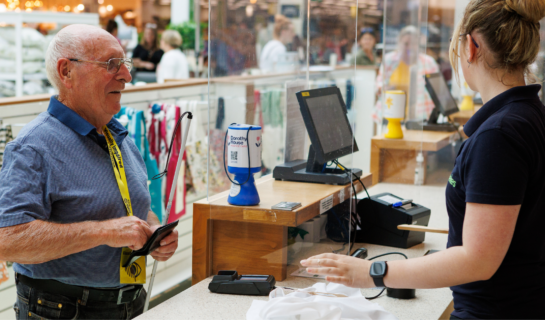
Banks have made a number of improvements in recent years to make banking more accessible. We looked at accessibility information from a range of major UK banks, including HSBC, Barclays, Lloyds, NatWest, Santander, Nationwide and First Direct. While services vary, there are some common features that can make a real difference.
Most banks can provide information in formats that work for you, including Braille, large print and audio. Once you tell your bank your preference, they will usually aim to send everything in that format.
Cash machines have also become more accessible. Many now offer audio guidance, often referred to as ‘Talking ATMs’. By plugging in a standard pair of headphones, you can hear step-by-step instructions to help you withdraw money or check your balance. Keypads often include raised markings to help you navigate more easily. Nationwide says all of its cash machines now offer voice assistance.
Some bank cards include tactile markings, such as a small notch, to help you identify which way to insert or tap the card at a machine. Barclays also offers high visibility cards with bold colours, tactile notches and larger numbers to make cards easier to identify and use.
Many everyday payments can now be made using contactless or a smartphone, which means you may not need to enter your PIN as often. However, there are still situations where a PIN is required, which can be challenging, especially where screens are flat and have no tactile buttons. Some machines have overlays to help guide your fingers, but these are not always available and staff may not always be aware of them. It can still be worth asking if one is available. You can also ask your bank about alternatives such as a chip and signature card, which allows you to authorise a transaction by signing a receipt instead of entering a PIN. Some banks, including Nationwide and Lloyds, offer this option.
Digital banking is another area where accessibility has improved. Many banking apps work with screen readers and built-in accessibility features. You can check your balance, make payments, manage your account and even pay in cheques without needing to visit a branch. Some apps also allow you to log in using your fingerprint or face recognition, which can reduce the need to enter your password.
There is also practical support available. Some banks can provide tools such as signature guides or stamps, and in some cases simple devices to help identify banknotes. HSBC currently offers a free plastic note gauge to help identify different banknotes by size. Electronic note identifiers, which use vibration or audio to identify banknotes, are available to purchase separately. UK banknotes also have tactile features to help people tell them apart. For more information, read our guide to identifying sterling currency with little or no vision
NatWest also offers a personalised support service called Banking My Way, allowing customers to record accessibility needs and preferences.
Accessible card readers are also available for online banking. These handheld security devices help confirm your identity when logging in or making payments online, and larger versions with audio support are available from some banks.
It is worth knowing that many accessibility features are not automatic, so it can help to ask your bank what support they can provide. Banks often develop and improve their services based on customer feedback, so speaking up can make a difference.
For more information about protecting yourself from fraud, read our guide to staying safe from scams. Services and accessibility features can change over time, so it is always worth checking directly with your bank about the support currently available.