
Eating to support eye health
Healthy eating advice can sometimes feel overwhelming – especially if you’re adapting to sight loss and learning new ways to prepare food safely. That’s why we’re sharing some useful findings from the Macular Society on how diet may support your eye health, particularly in slowing the progression of age-related macular degeneration (AMD).
Certain nutrients such as lutein and zeaxanthin help protect the macula, the part of the retina responsible for central vision. As our bodies can’t produce them, it’s important to get them from food or supplements.
Green leafy vegetables like kale, spinach and broccoli are rich sources. Kale contains the highest levels of lutein and many clinicians recommend a portion per day, if possible, to help build antioxidants that protect against macular damage. These nutrients may be better absorbed with a little healthy fat, such as olive oil or avocado. Yellow vegetables like sweetcorn and yellow peppers also contain useful compounds – aim for a few portions per week. Omega-3 and omega-6 fats may also support eye health. These are found in oily fish like sardines and mackerel, or flax seed for vegetarians and vegans.
If you have AMD and don’t eat many fresh vegetables, AREDS2 supplements (based on a major research study) may help slow sight loss, particularly in those at higher risk of progression. In people with wet AMD in one eye, the study found that the risk of developing it in the other eye could be reduced by up to 40% with these supplements. However, always speak to your clinician before starting supplements, and avoid taking both supplements and a high-lutein diet to prevent over-dosing.
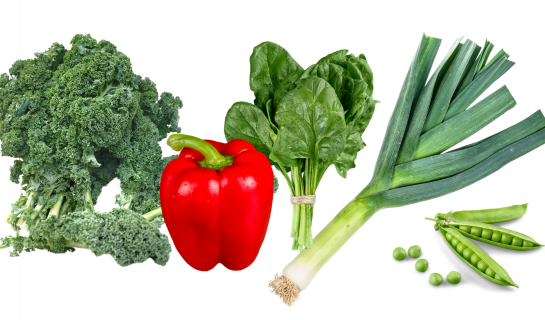
Lutein in vegetables mg / 100g (fresh)
- Kale 11.4mg
- Red pepper 8.5mg
- Spinach 7.9mg
- Leek 3.6mg
- Broccoli 3.3mg
- Peas 1.7mg