
Funding Our Work
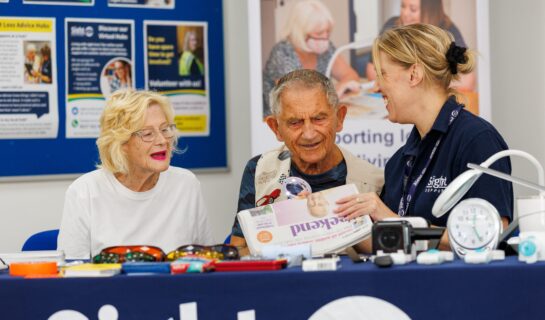
Our work with blind and partially sighted people
Sight Support West of England helps blind and partially sighted people continue doing the things that matter to them. Through specialist advice, practical support and opportunities to meet others, we help people adapt to changes in their sight, maintain their independence and participate fully in everyday life.
Sight loss affects everyone differently. For some people, changes in their vision can make everyday activities more challenging or bring uncertainty about the future. Having access to timely, personalised support can make a significant difference.
Support from trusts and foundations plays a vital role in making our services possible.
Our Impact
Every year, we support people at different stages of their sight loss journey, from those who have recently been diagnosed to people who have lived with sight loss for many years.
Our services help people to:
- build confidence in managing everyday life
- access practical advice and specialist information
- make the most of accessible technology
- develop friendships and social connections
- take part in activities and opportunities within their communities
We have over 1,800 blind and partially sighted people registered for our services.
The difference we make
Over 3,600 one-to-one sessions delivered, a 17% increase on 2024–2025.
57% increase in people attending social activities, including hub socials and befriending activities.
94% rated the support they received as good or excellent.
96% of people we supported who had been experiencing isolation reported feeling less isolated.
Behind these figures are people finding new ways to do everyday tasks, developing skills, making friendships and achieving goals that matter to them.
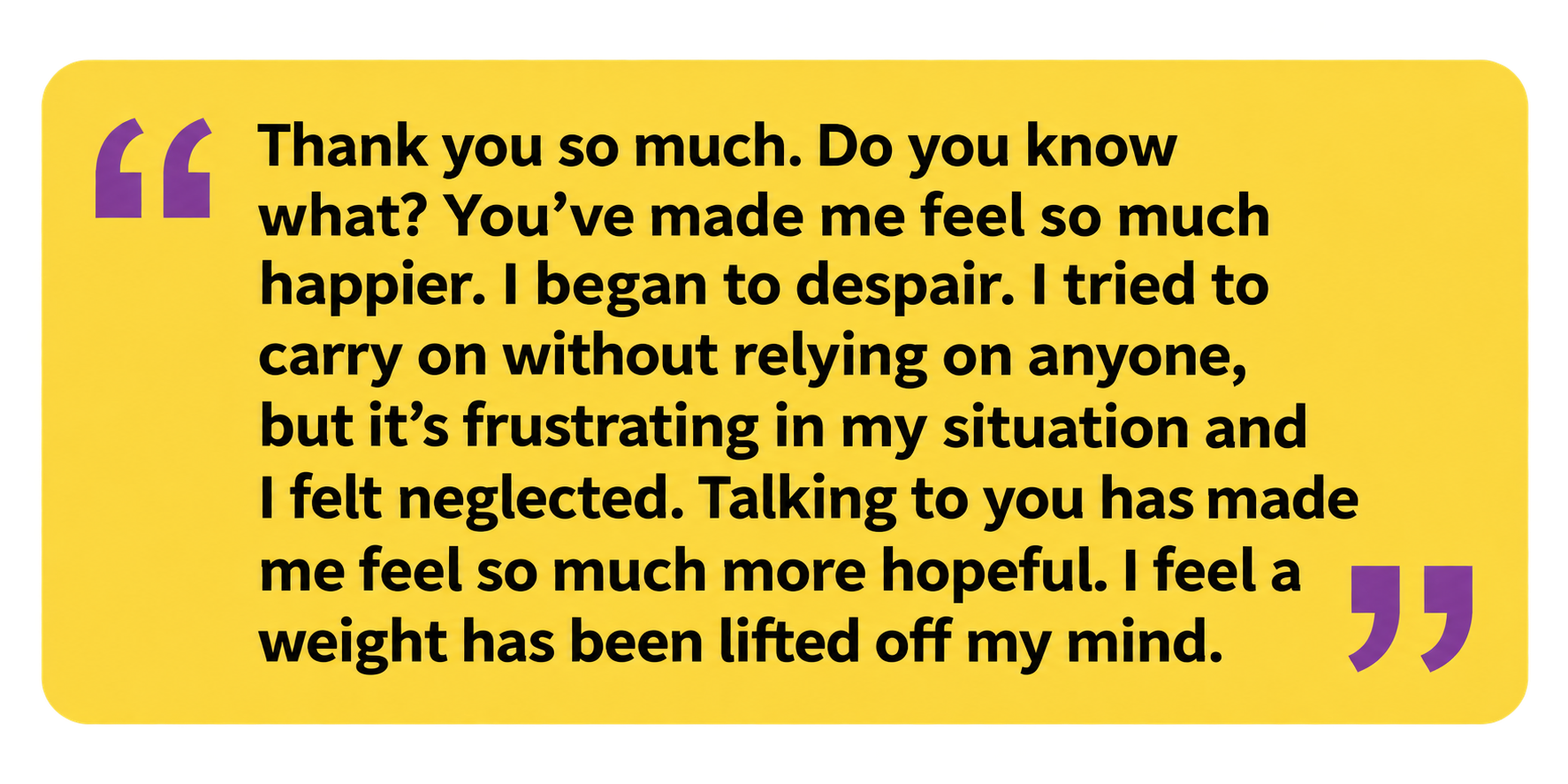
How we help
Our services are free of charge and tailored to each person’s needs, circumstances and goals.
We provide personalised advice, digital skills training and social activities through our Resource Centre and local community hubs across Bristol, Bath and North East Somerset, and South Gloucestershire.
Everyone in our region lives within five miles of our face-to-face support.
Specialist advice and support
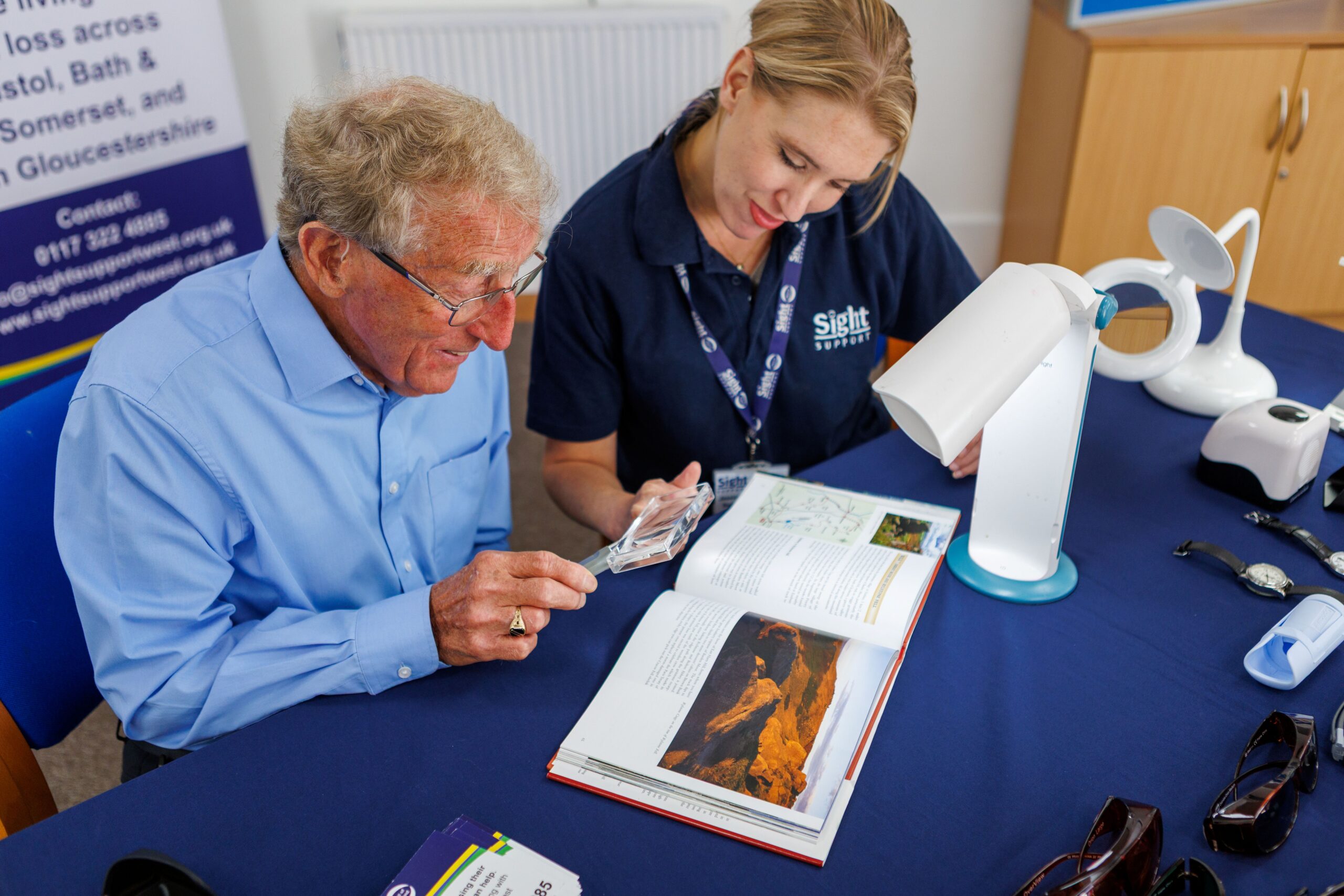
Our Sight Loss Advisors provide one-to-one practical and emotional support, helping people find solutions that work for them.
We take time to understand what matters most to each person. Support can include advice about daily living, specialist equipment, mobility, benefits and entitlements, communication, wellbeing and accessing other services.
Practical adaptations, such as improved lighting, magnification, talking equipment and other daily living aids, can help people continue doing everyday activities in ways that suit them.
Local community support
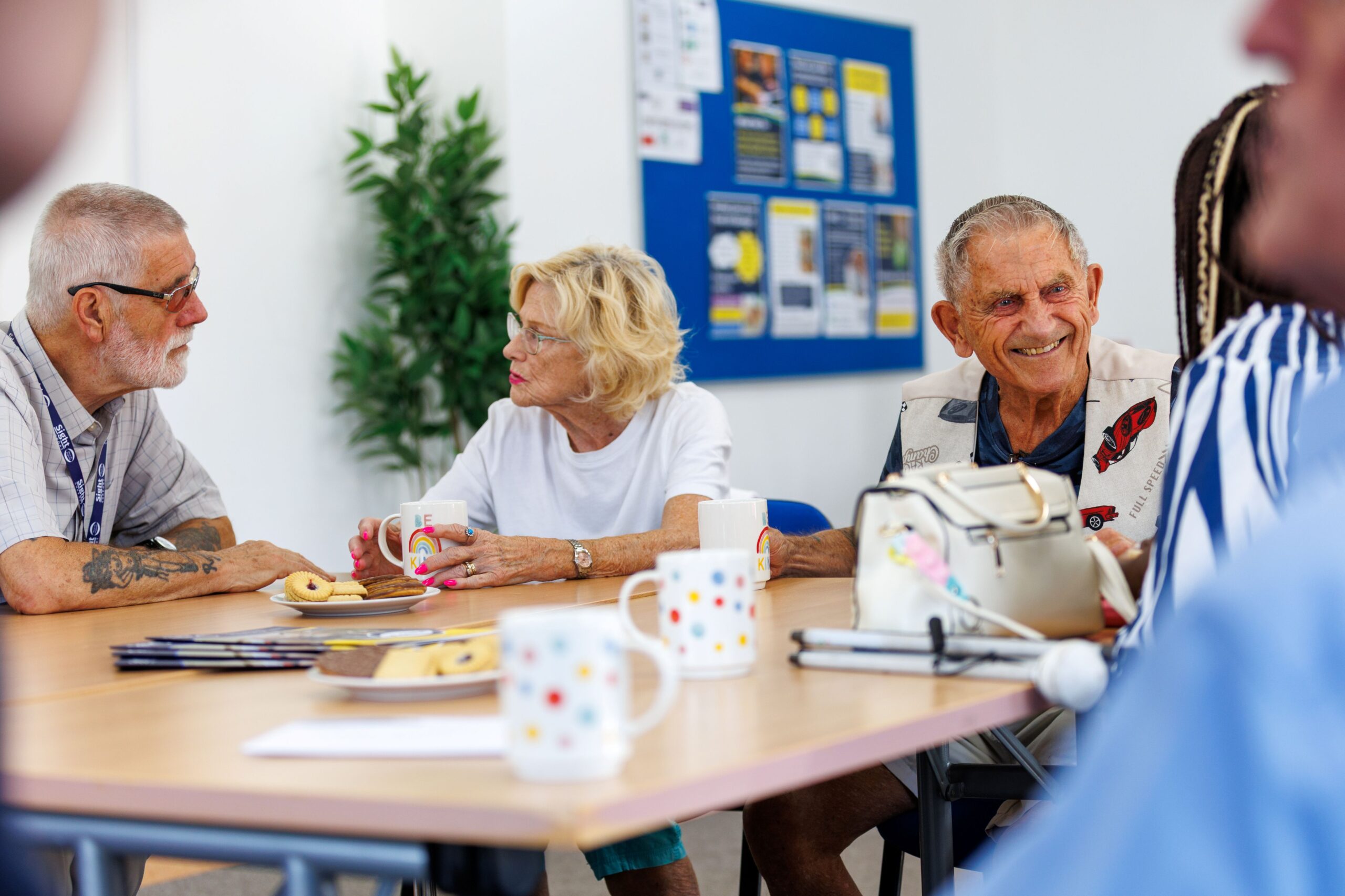
Our Community Sight Loss Hubs bring specialist advice and support into familiar local settings, making it easier for people to access services close to home.

By providing support within local communities, we can reduce barriers such as travel difficulties and limited access to online services.
Our social gr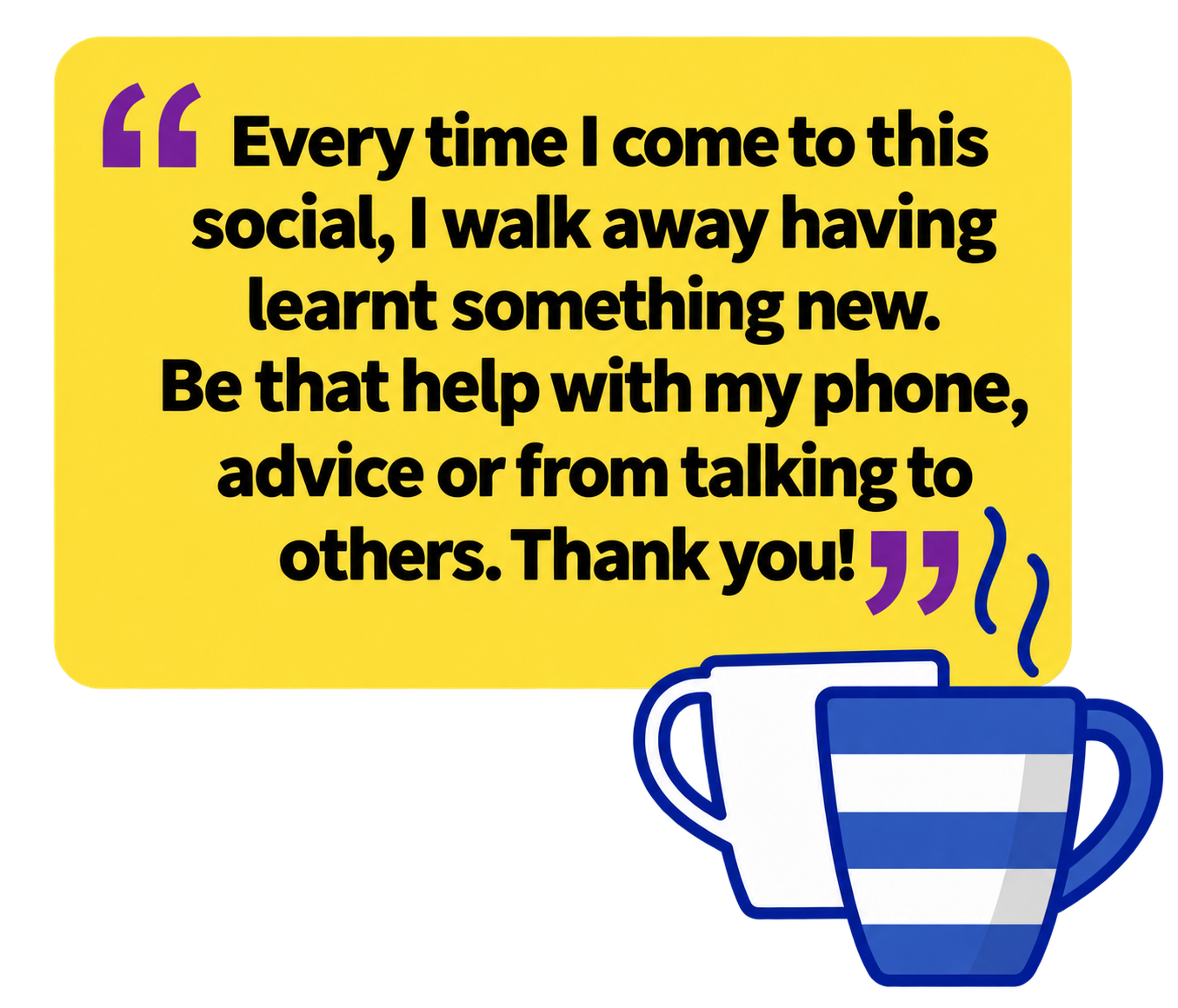 oups and community activities also provide opportunities for people to meet others with similar experiences, share ideas, develop friendships and enjoy activities together.
We are continuing to develop opportunities for younger and working-age people with sight loss, responding to feedback about the types of activities and social opportunities they would like to access.
Digital skills
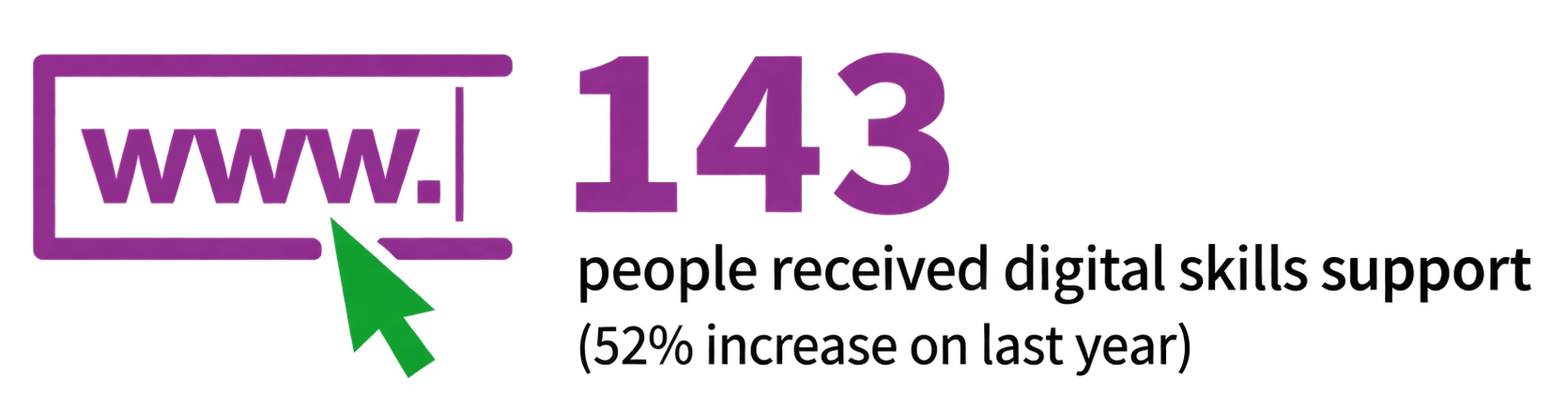
Accessible technology can open up new opportunities for blind and partially sighted people, from reading information and managing appointments to staying in touch with friends and family.
Our Digital Skills Service helps people make the most of smartphones, tablets and computers through personalised training and practical advice.
We introduce people to accessibility features and assistive technology, including screen readers, magnification, voice commands and accessible apps, helping them find the tools that work best for them.
“This lady didn’t believe me when I told her she could speak to her phone and she initially said she wouldn’t be able to do it as she ‘wasn’t techy’. Half an hour later she was calling her sister telling her she had a new best friend called Siri!! She has just had a big 90th birthday party and she was so delighted that she will now be able to call all her friends to thank them for all their cards and presents!!”
Reaching people who may otherwise miss out
We want everyone affected by sight loss to have the opportunity to access the advice and support they need.
Alongside our established services, we are strengthening our outreach into communities that have historically been underrepresented in sight loss services.
By working with local organisations and delivering support in community settings, we aim to address barriers that can make services harder to access, including language, cultural differences, transport and limited awareness of the support available.
Our approach is to work with communities, listen to their experiences and make our services more accessible and relevant.
What funding makes possible
Trusts and foundations play an essential role in helping us provide free, specialist support to blind and partially sighted people across the West of England.
Their funding helps us maintain established services, respond to growing demand and develop new approaches where people tell us additional support is needed.
Funding can help support:
- our Community Sight Loss Service
- specialist one-to-one advice
- local sight loss hubs and outreach
- social and peer-support activities
- digital skills support and assistive technology
- support for younger and working-age people
- equipment and resources
- service development
- the core costs that make frontline delivery possible
We welcome both restricted project funding and unrestricted grants.
Unrestricted funding is particularly valuable because it enables us to respond flexibly to changing needs and sustain the staff, infrastructure and local services that underpin all our work.
Why support Sight Support West of England
Local and accessible
We provide specialist sight loss support in communities across Bristol, Bath and North East Somerset, and South Gloucestershire.
Our local approach helps people access advice and support closer to home, through familiar venues and community-based services.
Individual
No two experiences of sight loss are the same. We listen to what matters to each person and tailor our support to their circumstances and goals.
Practical
We help people find practical solutions, develop skills and make the most of equipment and technology so they can continue doing the things they choose.
Evidence-led
We measure the difference our services make across key areas of daily life, including managing at home, mobility, communication, digital confidence and wellbeing.
We also listen to feedback from the people using our services, helping us understand what is working well and where we can improve.
Shaped by lived experience
Blind and partially sighted people play an important role in shaping our organisation and services.
People with lived experience of sight loss contribute through our Board, volunteering roles and Lived Experience Advisory Panel.
Their knowledge, experiences and ideas help us make decisions, identify gaps in services and develop support that reflects what people actually want and need.
Working collaboratively
Sight Support West of England works closely with Wiltshire Sight and Insight Gloucestershire through a shared operational model.
Leadership, finance, fundraising, IT, HR, volunteer support and administration are coordinated across the three charities. This enables us to share expertise and resources, reduce unnecessary duplication and strengthen the services we provide.
Each charity remains an independent organisation, with its own Board of Trustees and responsibility for its own geographical area.
This approach allows us to retain our strong local identity and accountability while benefiting from the efficiencies and resilience of regional collaboration.
Our funding priorities
We welcome opportunities to work with trusts and foundations whose funding priorities align with our services and the needs of people affected by sight loss.
Our current priorities include sustaining specialist advice and community services, expanding digital skills support, developing opportunities for younger and working-age people, and reaching communities that may face additional barriers to accessing support.
We have prepared short funding summaries for three of our current priorities, outlining the services, their impact and how charitable funding can help.
Explore our projects and funding priorities
We would be pleased to discuss opportunities to support particular services, local communities or our wider work.
Our governance and finances
Sight Support West of England is committed to strong governance, transparency and responsible use of charitable funds.
Our Board of Trustees provides independent oversight of the charity, supported by an experienced leadership team.
We have also developed a diverse funding model, including statutory contracts, trusts and foundations, individual giving, retail income and other fundraising activity. This helps strengthen our resilience and reduces dependence on any single source of income.
Funders can find further information here:
Sight Support West of England – 1178384
Further information about our governance, safeguarding, finances and service outcomes is available on request.
Talk to us about funding our work
If you are a trustee, grants officer or foundation interested in improving the lives of people affected by sight loss, we would be delighted to hear from you.
Whether you are considering support for a particular service, a local community or our wider core costs, we can provide further information about our current priorities, impact and funding needs.
Contact: Karen Monk
Email: karen.monk@sightsupportwest.org.uk
Telephone: 01380 400133 / 0117 322 4885
Your support helps us provide the specialist advice, practical resources and opportunities that enable blind and partially sighted people to live active, independent and fulfilling lives.