
Our Projects and Funding Priorities
Help us make specialist sight loss support available when and where people need it
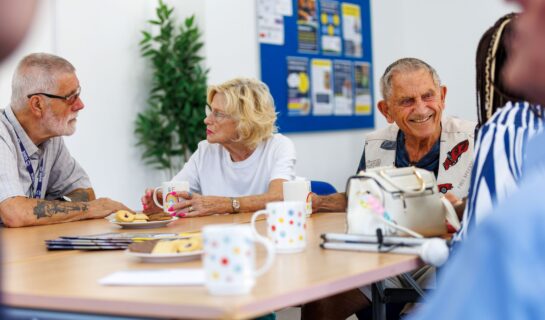
Our services help blind and partially sighted people develop skills, access specialist advice, build friendships and continue doing the things that matter to them.
Support from trusts and foundations helps us maintain these services, respond to changing needs and reach more people across the West of England.
Here are three of our current funding priorities.
Community Sight Loss Service
Practical advice and support, close to home
Our Community Sight Loss Service helps blind and partially sighted people find practical solutions, adapt to changes in their sight and continue doing everyday activities in ways that work for them.
Through our Community Sight Loss Advisors, Resource Centre, local hubs and social groups, people can access free, personalised advice and support close to home, whether they have recently experienced changes in their sight or have lived with sight loss for many years.
Our service in numbers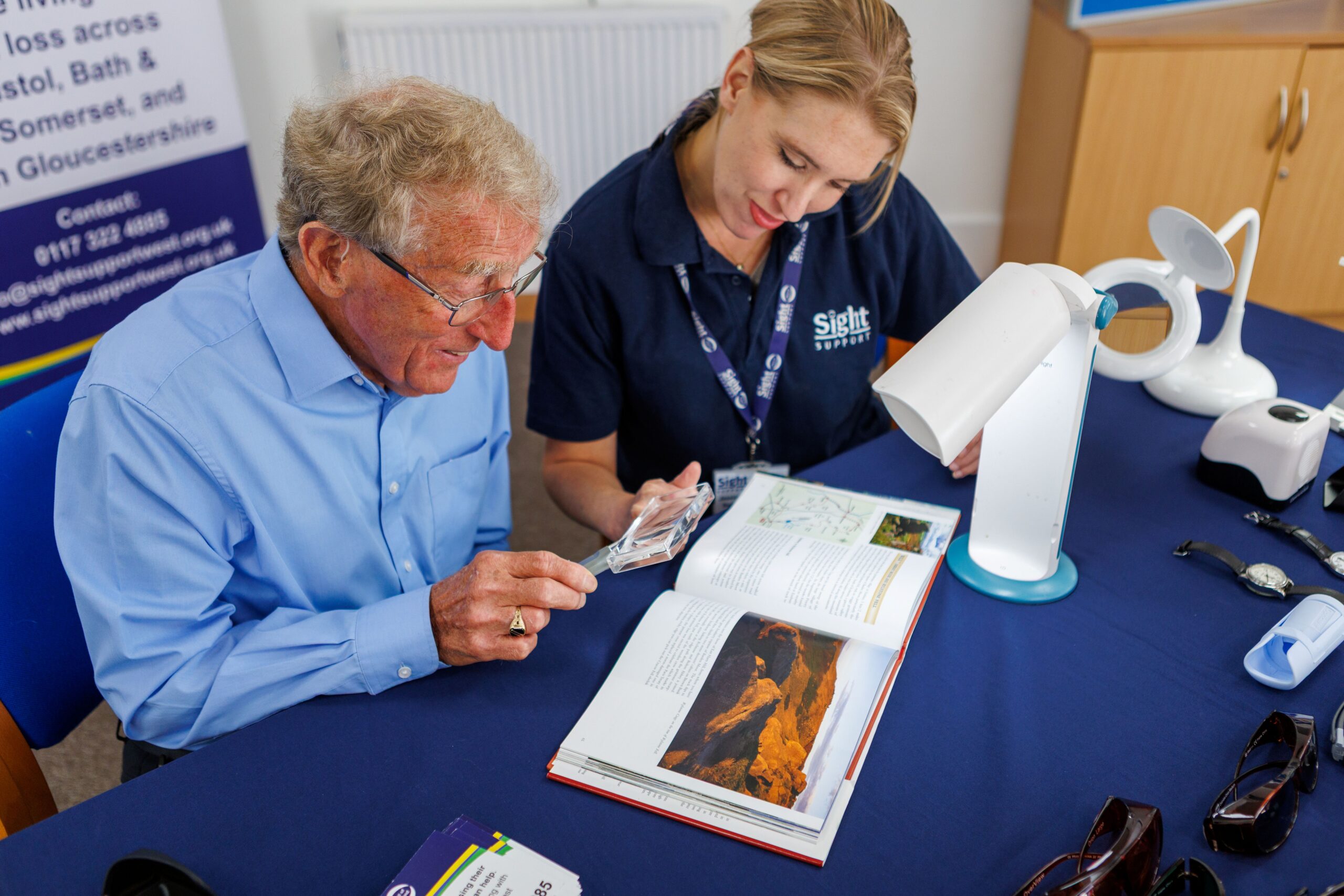
- 1,800 people registered for our services
- 3,646 attendances in the past year
- 17 Community Sight Loss Hubs providing local support
The difference it makes
“I would have travelled to the moon to get some advice and support – I couldn’t believe I could get help in my local library so close to home.”
A monthly Community Sight Loss Hub costs approximately £4,452 a year to deliver, including follow-up support. We welcome grants towards individual hubs, our Community Sight Loss Advisors or the wider service.
SSW Community Sight Loss Service (PDF, 212 KB)
Digital Skills and Technology Support
Making technology work for people with sight loss
Accessible technology can help blind and partially sighted people manage everyday tasks, access information, stay in touch with others and make their own choices about how they use digital services.
Our Digital Skills Service provides personalised training and practical support with smartphones, tablets, computers and accessible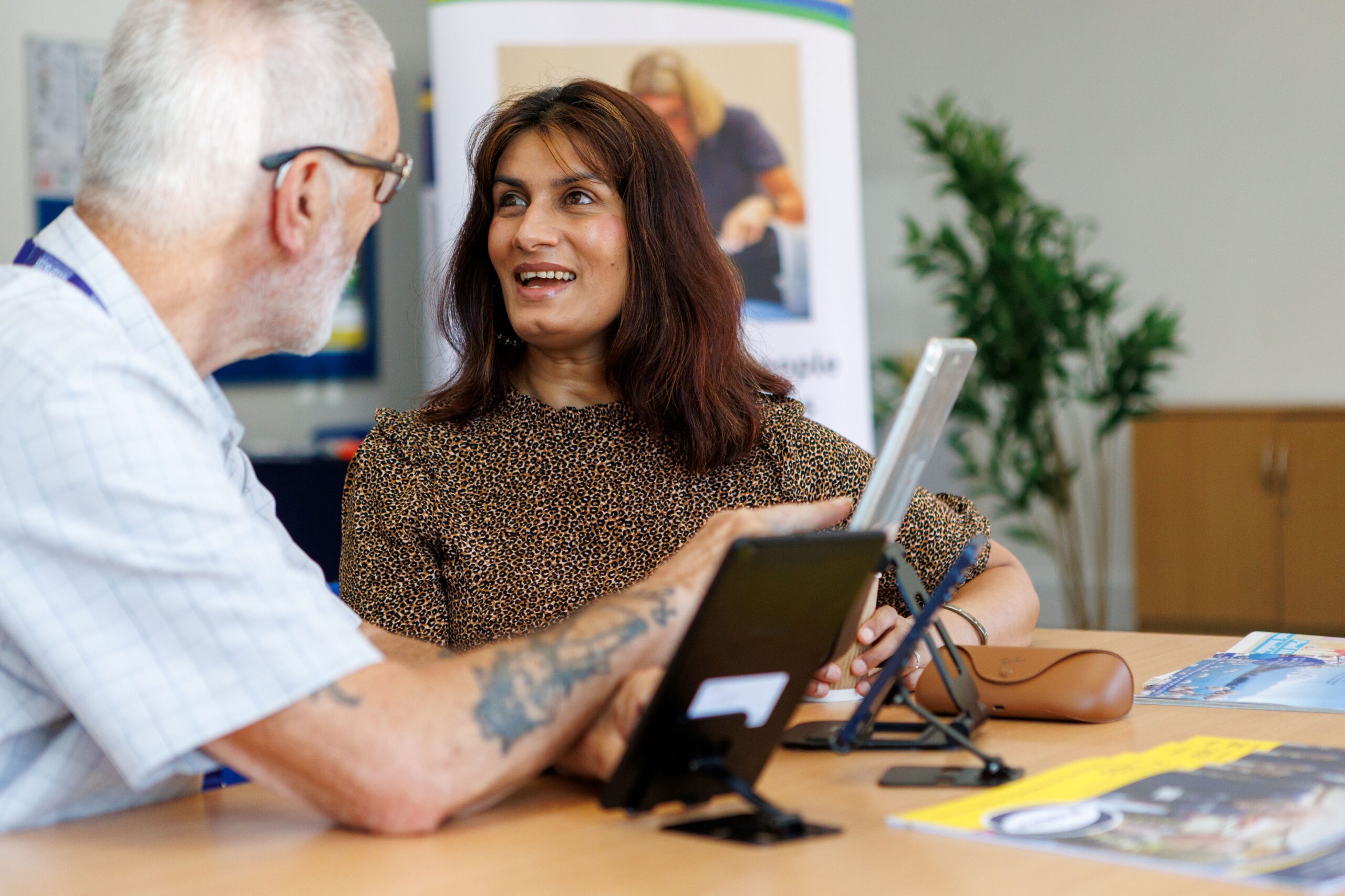 technology, helping people develop the skills and confidence to use the tools that work best for them.
Our digital support in numbers
- 175 people supported
- 429 attendances
- 80% reported improvements in their use of digital technology
The difference it makes
“I have been introduced to Seeing AI and am now using it every day. I am reading my letters and seeing what I’ve got in my cupboards. It’s so important to me that I can do these things by myself.”
The annual cost of our Digital Skills Service is approximately £39,607, while £412 can fund a digital skills training session. We welcome grants of all sizes towards individual sessions or the wider service.
SSW Digital Skills Service (PDF, 183 KB)
Working Age Service
Creating opportunities for friendship and peer support
Our Working Age Service is being developed with blind and partially sighted adults aged 18–65 who want more opportunities to meet people with similar experiences, socialise and develop friendships.
Feedback from working-age people has highlighted the need for more age-appropriate activities, particularly outside traditional daytime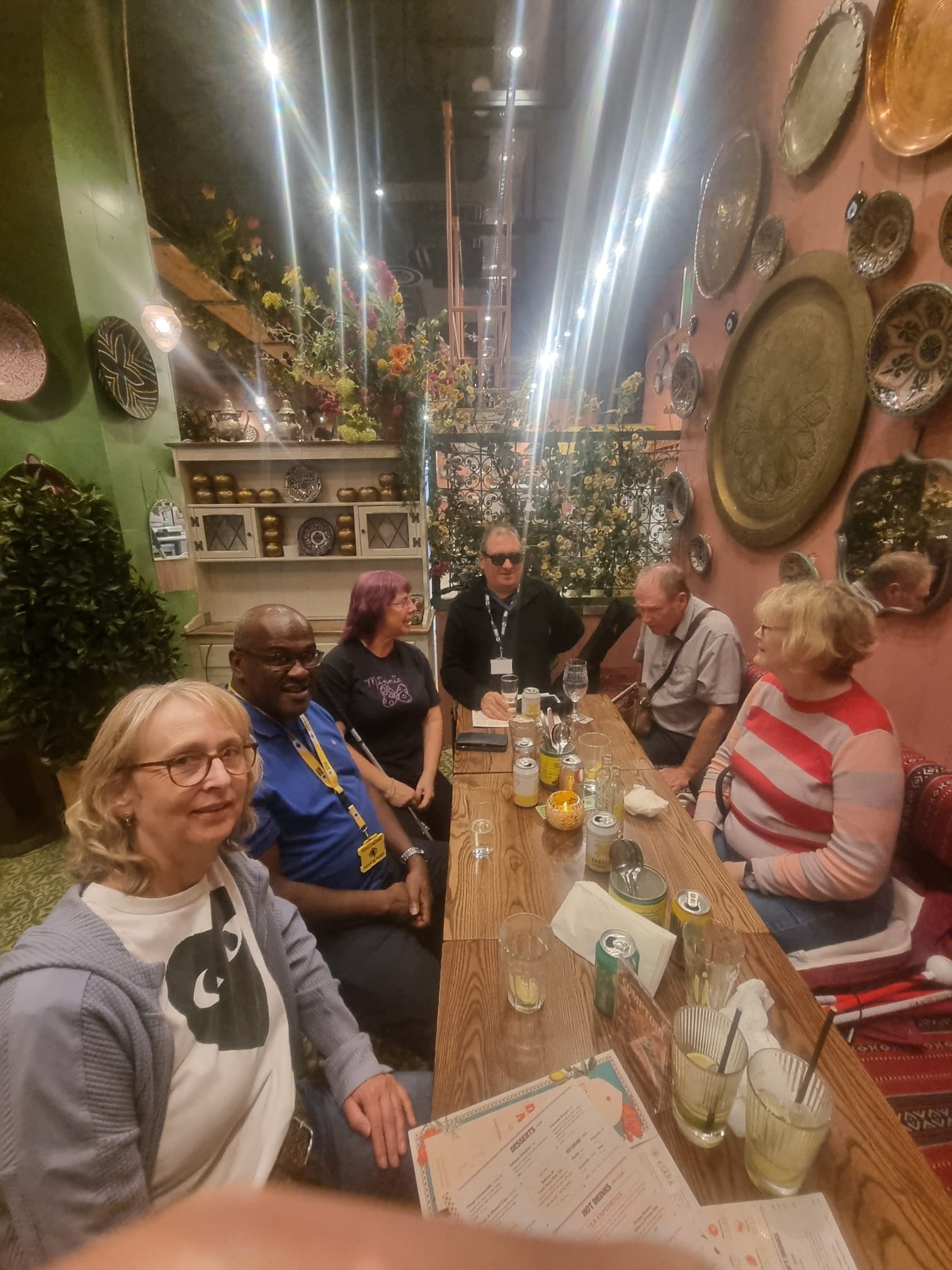 groups.
The service will bring people together through informal evening meet-ups, online Knowledge Exchange sessions and an ongoing WhatsApp community. Participants will help shape the activities and topics, ensuring the service reflects their interests and priorities.
What we hope to achieve in the first year
- 58–70 working-age people reached
- 10–12 regular face-to-face attendees
- More opportunities to build friendships, share experiences and develop confidence through peer support
The service builds on learning from our previous Virtual Hubs project and feedback from working-age people about the opportunities they would like to see.
The annual cost of our Working Age Service is approximately £15,398. We welcome grants towards the full service or contributions towards its delivery.
SSW Working age service (PDF, 169 KB)
Interested in supporting our work?
Trusts and foundations play an important role in helping us provide free, specialist support to people affected by sight loss.
Whether you are interested in funding a particular service, supporting work in a local community or contributing towards our core costs, we would be pleased to discuss our funding priorities.
Please contact our trusts fundraiser Karen to find out more.